
Blog
Read our latest blog posts
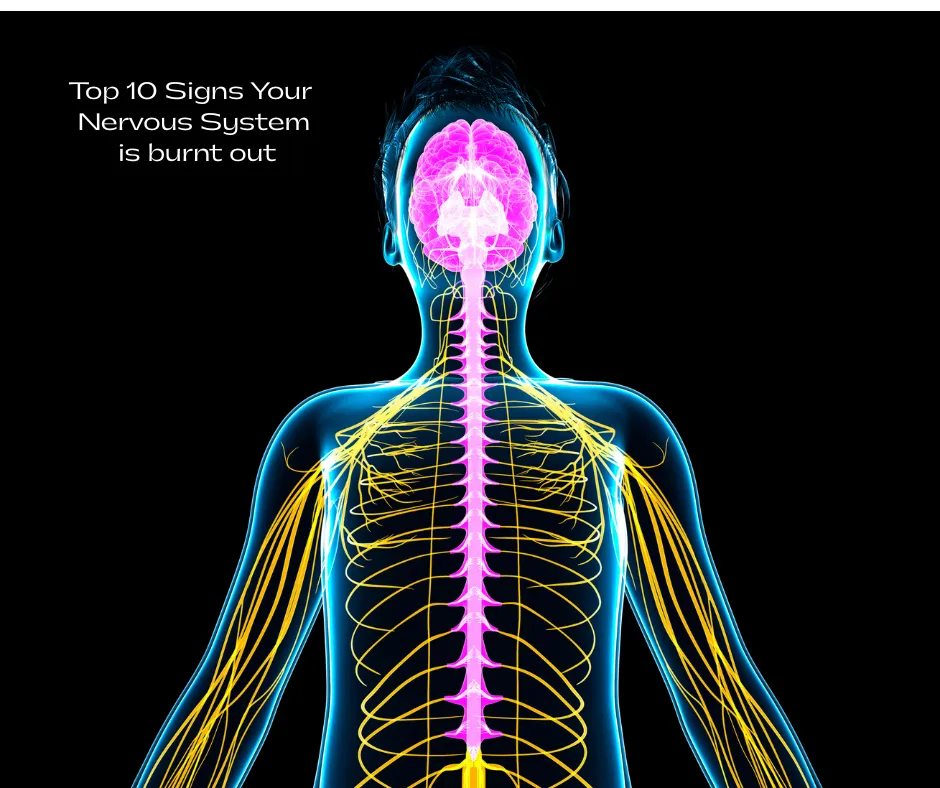
Top 10 Signs of Nervous System Burnout
Top 10 Signs Your Nervous System Is in Burnout and How Neurofeedback Can Help
Life can often feel overwhelming. Juggling responsibilities, deadlines, and life’s unforeseen challenges might leave you feeling constantly drained and on edge. If this sounds familiar, you could be experiencing nervous system burnout.
Many people don't recognize the signs of nervous system dysregulation until it has a clear impact on their quality of life. Understanding these signs and knowing how to restore balance can be life-changing. This guide explores the tell-tale signs that your nervous system might be in burnout and introduces neurofeedback as an empowering pathway to recovery.
For years I spent time living in fight or flight, only to crash and burn and be in complete shut down. For years I blamed in on chronic illness, and while that may have played a part in my constant fatigue it wasn't until I learned how to regulate my nervous system that all my chronic health system pretty much disappeared.
What Is Nervous System Burnout?
Nervous system burnout occurs when your body’s stress response becomes overactive, leaving you stuck in a state of constant fight-or-flight or, conversely, shutdown mode. This dysregulation can arise from chronic stress, trauma, lack of rest, or persistent emotional strain. When the nervous system doesn’t get a chance to reset, it can lead to both physical and emotional symptoms.
Top 10 Signs Your Nervous System Is in Burnout
1. Constant Fatigue
Even after a full night’s sleep, you wake up feeling tired. This persistent lethargy could be your nervous system struggling to recover from overstimulation.
2. Difficulty Sleeping
Racing thoughts, trouble falling asleep, or waking up frequently throughout the night could indicate nervous system dysregulation.
3. Heightened Anxiety or Irritability
If you find yourself anxious about small things or snapping at others without reason, your system might be stuck in overdrive.
4. Brain Fog or Lack of Focus
Struggling to concentrate on tasks or experiencing frequent forgetfulness are signs that your nervous system isn’t functioning optimally.
5. Digestive Issues
Constant stress can disrupt your gut-brain connection, leading to problems like bloating, IBS, or appetite changes.
6. Physical Tension or Pain
Chronic stress often manifests physically as headaches, neck tension, or even muscle aches across your body.
7. Heightened Sensitivity to Noise or Light
When your nervous system is overwhelmed, normal levels of sensory input like bright lights or noise can feel unbearable.
8. Prolonged Emotional Numbness
Feeling emotionally disconnected or indifferent for extended periods is another sign your nervous system might need support.
9. Mood Swings
Shifting quickly between happiness, sadness, or anger could suggest difficulty with emotional regulation, often tied to nervous system health.
10. Weakened Immune System
Frequent illnesses or slow recovery times are indications that your body is in chronic stress mode, weakening its natural defenses.
How Neurofeedback Can Help Restore Balance
If these symptoms feel all too familiar, you’re not alone. The good news is that your nervous system’s resilience can be rebuilt, and neurofeedback offers a powerful tool to get there.
What Is Neurofeedback?
Neurofeedback is a non-invasive brain-training technology designed to help your brain self-regulate. Using advanced technology like NeurOptimal® Dynamical Neurofeedback®, this method mirrors your brain’s activity back to itself in real time, allowing the brain to recognize and correct patterns of imbalance.
Key Benefits of Neurofeedback for Nervous System Burnout
1. Promotes Relaxation
Neurofeedback helps the brain move out of fight-or-flight mode, guiding it toward a state of calm. Over time, this process can train your nervous system to maintain a more balanced state on its own.
2. Supports Better Sleep
Through improved self-regulation and relaxation, Neurofeedback can help reduce the overactivity that interrupts sleep cycles, making rest deeper and more restorative.
3. Sharpens Focus
Many users notice an improvement in attention, clarity, and mental performance as their brains become better at processing and managing sensory input.
4. Eases Emotional Dysregulation
Neurofeedback encourages emotional stability by teaching your brain to adapt and regulate itself, lowering the effects of mood swings or irregular emotional responses.
5. Improves Physical Symptoms
Physical tension, digestive issues, and sensitivity to sensory input often improve as your nervous system begins to stabilize through neurofeedback sessions.
What Makes Neurofeedback Stand Out?
What sets neurofeedback apart from other techniques is its personalized approach. Traditional methods often force the brain into specific states, such as relaxation. NeurOptimal®, for example, gently works by letting your brain make its own adjustments based on its unique needs, allowing for a more sustainable and natural state of balance over time.
With over 25 years of innovation behind it, NeurOptimal’s real-time feedback has helped thousands regain clarity, resilience, and peace of mind.
Discover Balance and Take the First Step
Rebalancing your nervous system is not about perfection; it’s about progress. If signs of burnout have left you feeling like you’re not yourself, know that recovery is within reach. Neurofeedback offers a gentle, empowering way to give your brain the tools it needs to heal and thrive.
Interested in how neurofeedback can work for you? Schedule your free consultation with NeurOptimal® today and take the first step toward a healthier, more balanced life.
We ship units all over the continental US, and you can rent them 30 days at a time. If you have more questions feel free to message us here. info@exaltedhealth.com

Stay in touch with Exalted Health


